Registration, abstract submission and award deadlines will be announced soon.
21st International Conference on Emerging Frontiers in Cancer Research
Menu

About

About Conference

Conference overview, organising institutions and committee leadership for public review.

About the Conference

The 21st International Conference on Emerging Frontiers in Cancer Research: Molecular Mechanisms to Personalized Treatments is an international scientific meeting dedicated to advancing knowledge, collaboration, and innovation in cancer research and care. The conference will be held from 29–31 October 2026 at Gautam Buddha University, Greater NOIDA, India and Shiv Nadar Institution of Eminence, Deemed to be University, Greater NOIDA, India.

The conference is being organised by Gautam Buddha University, Greater NOIDA, India, in association with Shiv Nadar Institute of Eminence, Greater NOIDA, India, Roswell Park Comprehensive Cancer Center, Buffalo, USA, Rutgers Health New Jersey Medical School, USA, and Cancer Research and Care Academy, New Delhi, India.

Conference Overview

Cancer research is entering a transformative era. Advances in molecular biology, genomics, immunology, systems medicine, artificial intelligence, and precision oncology are reshaping how cancer is understood, diagnosed, prevented, and treated. The field is moving from generalized treatment approaches toward more personalised, data-driven, and mechanism-based strategies that consider the unique molecular profile of each tumour and patient.

This conference aims to bring together leading scientists, clinicians, researchers, academicians, students, industry professionals, and young investigators from India and abroad to discuss emerging discoveries and translational advances in cancer biology and therapy. It will provide a multidisciplinary platform for scientific exchange across basic, translational, clinical, computational, and integrative areas of oncology.

Theme

The central theme of the conference is:

Emerging Frontiers in Cancer Research: Molecular Mechanisms to Personalized Treatments

The theme reflects the need to connect fundamental discoveries in cancer biology with innovative therapeutic approaches, including targeted therapies, immunotherapies, cell-based therapies, theranostics, radiation strategies, chemoprevention, natural and synthetic agents, systems medicine, and AI-driven cancer research.

Scientific Focus

The conference will cover a wide range of contemporary and emerging areas, including:

  • Emerging trends and new therapeutic targets in cancer

  • Small molecules in cancer prevention and therapeutics

  • Cell death modalities in cancer development and treatment

  • Basic and translational cancer research

  • Cancer stemness and resistance to therapy

  • Novel approaches for radiation therapies

  • Targeting mitochondria for cancer prevention and treatment

  • Precision oncology and personalized cancer treatment approaches

  • Ayurveda and integrative medicine in cancer care and inflammatory diseases

  • Cancer chemoprevention using natural, herbal, and synthetic agents

  • Artificial Intelligence and Machine Learning in cancer research

  • Systems medicine and cancer

Objectives

The conference aims to:

  1. Promote high-quality scientific discussion on recent advances in cancer research.

  2. Encourage collaboration between basic scientists, clinicians, translational researchers, and industry experts.

  3. Highlight emerging molecular mechanisms that influence cancer initiation, progression, metastasis, treatment response, and resistance.

  4. Explore new strategies in cancer prevention, diagnosis, treatment, and personalised care.

  5. Provide a platform for young researchers and students to present their work and interact with national and international experts.

  6. Strengthen academic and research partnerships between Indian and international institutions.

  7. Support the translation of laboratory discoveries into clinically meaningful cancer care strategies.

Organising Institutions

The conference is supported by a strong academic and research network. Gautam Buddha University and Shiv Nadar Institute of Eminence provide the institutional foundation for the meeting in Greater NOIDA, while Roswell Park Comprehensive Cancer Center and Rutgers Health New Jersey Medical School bring significant international scientific engagement. Cancer Research and Care Academy, New Delhi, India, also contributes to the wider cancer research and care mission associated with the conference.

The organising leadership includes Prof. Rana P. Singh as Patron, with national and international convenors and co-convenors representing leading institutions in cancer biology, biotechnology, life sciences, and translational research.

Legacy and Continuity

This edition continues a long-standing academic effort to create meaningful platforms for discussion in cancer research. The conference series has previously completed 20 conferences, and the 21st edition builds on that experience with a renewed focus on molecular mechanisms, translational science, and personalised treatment approaches.

Cancer Research and Care Academy has been associated with this broader scientific journey, supporting the spirit of sustained dialogue, collaboration, and knowledge-sharing in cancer research and care. This continuity gives the conference both a strong legacy and a forward-looking purpose.

Who Should Attend

The conference is designed for:

  • Cancer biologists

  • Molecular biologists

  • Clinicians and oncologists

  • Translational researchers

  • Biotechnology and life sciences faculty

  • PhD scholars, postdoctoral fellows, and students

  • Public health and epidemiology researchers

  • Computational biology, AI, and data science researchers

  • Industry professionals working in cancer therapeutics, diagnostics, and healthcare innovation

  • Young scientists interested in emerging areas of oncology

Expected Outcomes

The conference is expected to create opportunities for scientific networking, research collaboration, student mentoring, and exchange of new ideas across disciplines. It will help participants understand recent developments in cancer mechanisms, therapeutic innovation, precision oncology, integrative approaches, and data-driven cancer research.

By connecting molecular discoveries with personalised treatments, the conference aims to contribute to the larger goal of improving cancer prevention, diagnosis, treatment, and patient care.

About the Organising Institutions

The conference is being organised by Gautam Buddha University, Greater NOIDA, India in association with Shiv Nadar Institute of Eminence, Greater NOIDA, India, Roswell Park Comprehensive Cancer Centre, Buffalo, USA; Rutgers Health New Jersey Medical School, USA and Cancer Research and Care Academy, New Delhi, India

Conference Highlight

Scientific Exchange

Bring researchers, clinicians and students together around translational cancer research.

Conference Highlight

Collaboration

Create a public platform for institutional partnerships, speaker showcases and scientific programme updates.

Conference Highlight

Delegate Readiness

Prepare delegates with registration, abstract, award, accommodation and contact information before portal workflows open.

Committee

Organising Committee Snapshot

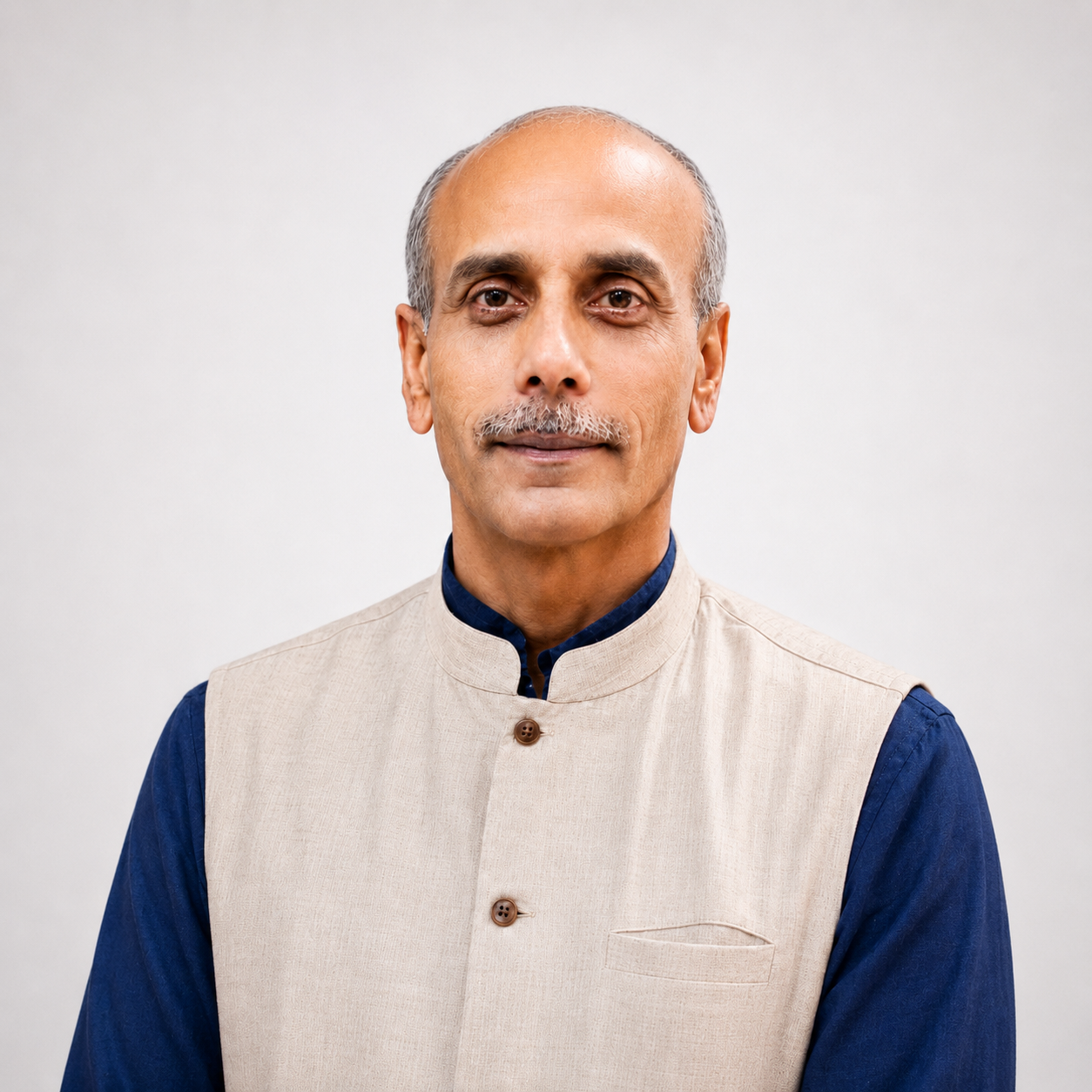
Prof. Rana P. Singh photo
India flag

Patron

Prof. Rana P. Singh

Vice Chancellor, Gautam Buddha University, Greater NOIDA, India

Professor of Cancer Biology, School of Life Sciences, Jawaharlal Nehru University, New Delhi

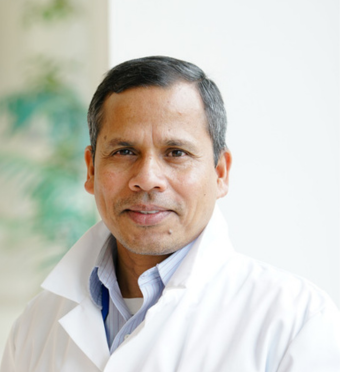
Prof. Dhyan Chandra photo
United States flag

International Convenor

Prof. Dhyan Chandra

Professor of Oncology

Roswell Park Comprehensive Cancer Center, Buffalo, USA

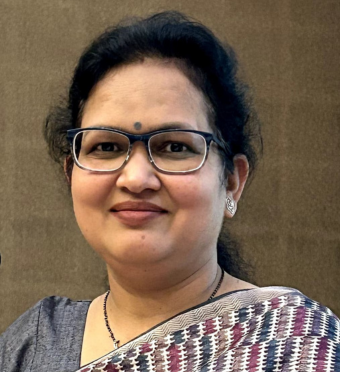
Prof. S. Dhanalakshmi photo
India flag

Convenor

Prof. S. Dhanalakshmi

Dean, University School of Biotechnology

Gautam Buddha University, Greater NOIDA, India

Prof. Raymond Birge photo
United States flag

International Convenor

Prof. Raymond Birge

Professor and Vice Chair

Rutgers Health New Jersey Medical School, New Jersey, USA

Prof. Sanjeev Gelande photo
India flag

Convenor

Prof. Sanjeev Gelande

Dean, SNS

Shiv Nadar Institute of Eminence, Deemed to be University, Greater NOIDA, India

Dr. Rekha Puria photo
India flag

Co-Convenor

Dr. Rekha Puria

HoD, University School of Biotechnology

Gautam Buddha University, Greater NOIDA, India

Dr. Ashish Gupta photo
India flag

Co-Convenor

Dr. Ashish Gupta

Associate Professor, Department of Life Sciences

Shiv Nadar Institute of Eminence, Deemed to be University, Greater NOIDA, India

Support

Institutional Sponsors / Institutional Support

Gautam Buddha University, Greater Noida logo

Gautam Buddha University, Greater Noida

Established by the Uttar Pradesh Act (9) of 2002, commenced its first academic session at its 511 acres lush green campus at Greater Noida in August 2008. The University is fully funded by the New Okhla Industrial Development Authority (NOIDA) and the Greater Noida Industrial Development Authority (GNIDA), the undertakings of the Government of Uttar Pradesh. The University is recognized by the University Grants Commission under UGC Act and is a member of the Association of Indian Universities. The academic programmes offered by the University are recognised by the University Grants Commission of India and various other Statutory Bodies, Councils, whichever are applicable in individual cases. Recognition by the University Grants Commission of India (UGC): Gautam Buddha University is recognized by the University Grants Commission of India vide F.9-18/2009 (CRP-I) dated 13 May 2009 under section 2(f) of UGC Act 1956. Through this the University has been empowered to award degrees as specified by UGC under section 22 of the UGC Act 1956 at its main campus with the approval of Statutory Councils, wherever required. Recognition and Inclusion by the University Grants Commission of India (UGC) under section 12 B of the University Grants Commission, UGC ACT 1956. Recognised under UGC Section 12B and NAAC accredited with B+ Grade. Association of Indian Universities Membership: The University has been granted membership of the Association of Indian Universities. Approval by the Bar Council of India: The School of Law, Justice, & Governance administers a five years Integrated B.A. LLB programme. This Programme has been approved by the Bar Council of India. Approval by National Council for Teacher Education (NCTE): The Department of Education & Training, School of Humanities & Social Sciences offer Two-Year B.Ed. Programme recognized by the National Council for Teacher Education (NCTE). Approval by Rehabilitation Council of India: The Department of Psychology & Mental Health, School of Humanities & Social Sciences offers M. Phil. (Clinical Psychology), 2 years Programme which is recognized by the Rehabilitation Council of India. Approval by the Council of Architecture, India: The Department of Architect & Planning, School of Engineering offers B.Arch. and M. Arch. Programmes in Architect and Planning. This programme is recognized by the Council of Architecture, India. ISO 9001: 2008 Certification of the University: Gautam Buddha University has been accredited jointly be Joint Accreditation System of Australia & New Zealand (JAS-ANZ), vide 1015QBC26 after accessing and finding confirmation to the requirements of ISO 9001: 2008.

Shiv Nadar Institution of Eminence, Deemed to be University, Delhi NCR logo

Shiv Nadar Institution of Eminence, Deemed to be University, Delhi NCR

The Shiv Nadar Institution of Eminence is a multidisciplinary, student-centric research university established in 2011 by Shiv Nadar, one of India’s foremost philanthropists and a pioneer of technological revolution. It has four Schools, viz., Engineering, Natural Sciences, Humanities and Social Sciences, Management & Entrepreneurship, and the Academy of Continuing Education. We were the first university in the country to offer a 4-year multidisciplinary research degree. Today, we are continuing as trailblazers with new kinds of curriculum, championed by faculty drawn from some of the top institutions in the country and the world. With low faculty-student ratios, their in-depth attention to students lead to high levels of student success.

Department of Biotechnology, Government of India logo

Department of Biotechnology, Government of India

The journey of the Department of Biotechnology started as the National Biotechnology Board (NBTB) in 1982, evolving soon after in 1986 into a full-fledged Department under the Ministry of Science & Technology. The Department aims to be at the forefront of the Biotech Revolution, which possesses a potential for socioeconomic transformation far exceeding even the Information Technology Revolution of the past decades.

Department of Science & Technology, Government of India logo

Department of Science & Technology, Government of India

Established in May 1971, with the objective of promoting new areas of Science & Technology and to play the role of a nodal department for organising, coordinating and promoting S&T activities in the country. The Department has major responsibilities for specific projects and programmes as listed below: Formulation of policies relating to Science and Technology. Matters relating to the Scientific Advisory Committee of the Cabinet (SACC). Promotion of new areas of Science and Technology with special emphasis on emerging areas. Research and Development through its research institutions or laboratories for development of indigenous technologies concerning bio-fuel production, processing, standardization and applications, in co-ordination with the concerned Ministry or Department; Research and Development activities to promote utilization of by-products to development value added chemicals. Futurology. Coordination and integration of areas of Science & Technology having cross-sectoral linkages in which a number of institutions and departments have interest and capabilities. Undertaking or financially sponsoring scientific and technological surveys, research design and development, where necessary. Support and Grants-in-aid to Scientific Research Institutions, Scientific Associations and Bodies. All matters concerning: Science and Engineering Research Council; Technology Development Board and related Acts such as the Research and Development Cess Act,1986 (32 of 1986) and the Technology Development Board Act,1995 (44 of 1995); National Council for Science and Technology Communication; National Science and Technology Entrepreneurship Development Board; International Science and Technology Cooperation including appointment of scientific attaches abroad (These functions shall be exercised in close cooperation with the Ministry of External Affairs); Autonomous Science and Technology Institutions relating to the subject under the Department of Science and Technology including Institute of Astro-physics, and Institute of Geo-magnetism; Professional Science Academies promoted and funded by Department of Science and Technology; The Survey of India, and National Atlas and Thematic Mapping Organisation; National Spatial Data Infrastructure and promotion of G.I.S; The National Innovation Foundation, Ahmedabad. Matters commonly affecting Scientific and technological departments/organisations/ institutions e.g. financial, personnel, purchase and import policies and practices. Management Information Systems for Science and Technology and coordination thereof. Matters regarding Inter-Agency/Inter-Departmental coordination for evolving science and technology missions. Matters concerning domestic technology particularly the promotion of ventures involving the commercialization of such technology other than those under the Department of Scientific and Industrial Research. All other measures needed for the promotion of science and technology and their application to the development and security of the nation. Matters relating to institutional Science and Technology capacity building including setting up of new institutions and institutional infrastructure. Promotion of Science and Technology at the State, District, and Village levels for grass- roots development through State Science and Technology Councils and other mechanisms. Application of Science and Technology for weaker sections, women and other disadvantaged sections of Society.

Council of Science and Technology, U.P. logo

Council of Science and Technology, U.P.

The Government of Uttar Pradesh in October, 1972 constituted a Working group on the Role and Development of Science and Technology in relation to the Fifth Five Year Plan of the State. This Working Group was charged with the task of examining inputs and infrastructure available and required for growth of Science and Technology and its application to the process of development, for identifying problems and programs for research and development, and for preparing an integrated plan for action for development and application of Science and Technology in the State during the Fifth Plan period. The Concept of Research and Development as projected in the "Approach to the Science and Technology Plan" prepared by the National Committee on Science and Technology was found to be very wide ranging. To cover it, one of the main recommendations of the Working group was the need for establishing a State Council of Science and Technology with a Department of Science and Technology for Administrative support, which was bound to take up the recommendations of this Working Group to push forward all the schemes and activities which were included in the Fifth Plan. This recommendation of the Working Group provided the case for establishing the "Council of Science and Technology, U.P." and it was established on 1st May' 1975 by the Government of Uttar Pradesh with the Department of Science and Environment for administrative support. The Council of Science and Technology, U.P. (CST, U.P.) was given an autonomous status as a registered body under Societies Registration Act, 1860.

Patanjali Research Foundation logo

Patanjali Research Foundation

Established in 2017, Patanjali Research Foundation, governed by Patanjali Research Foundation (Trust), is a fully integrated innovative Research Foundation to conduct modern experimentation on Ayurvedic medicines for the treatment of various diseases. The institute has a diversified research portfolio and a substantial clinical testing pipeline. Our main focus is mainly in herbal Research and Development arena.

Registration & Fees WhatsApp